AI for Local Business
AI Answering for Local Businesses: How AI Phone Agents Work as Your Front Desk
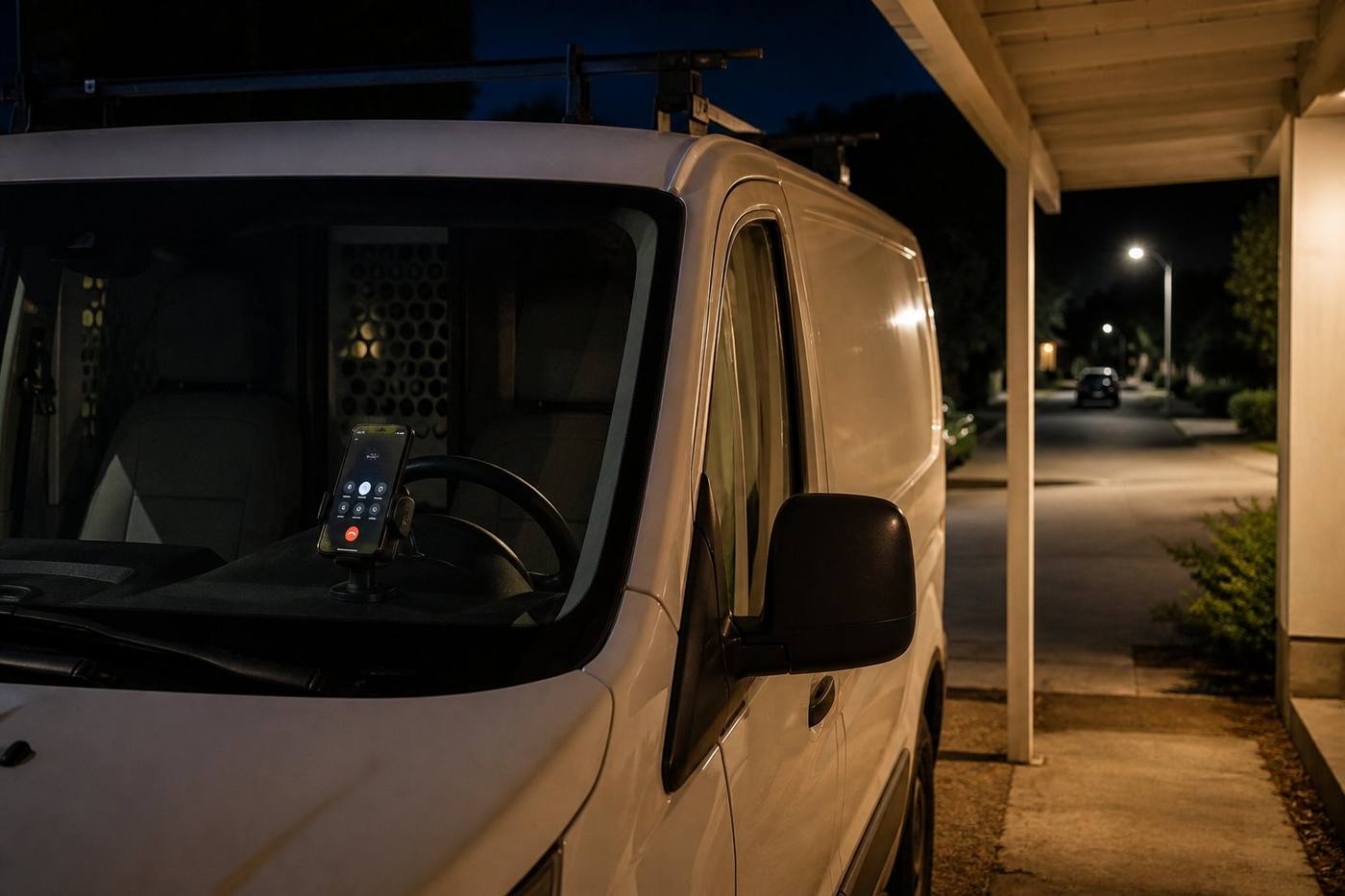
When a homeowner calls your business at 8 PM with a burst pipe, an AI answering service is not recording a voicemail. It is picking up the phone with a natural voice, asking what is wrong, confirming the address, checking your service area, assessing urgency, and either escalating to your on-call tech or booking the job into the next available morning slot. The customer gets a professional response in real time. Your business captures a job it would have otherwise lost to the competitor who picked up first. And you never had to hire a receptionist, sign an answering service contract, or stay glued to your phone after hours.
That is AI answering for local businesses: a voice agent that works as your front desk, 24/7, handling inbound calls the way a good receptionist would. It is not a chatbot on your website or a voicemail transcription tool. It is a system that answers your actual phone line, holds real conversations, and takes actions — booking appointments, escalating emergencies, qualifying leads — without a human operator reading from a script.
For local service businesses running HVAC, plumbing, electrical, and other trade operations, AI answering closes the gap that costs contractors the most revenue: missed calls. Industry call data consistently shows that 30% or more of inbound calls to small service businesses go unanswered, and most of those callers do not leave a voicemail. They move on to the next result on Google. AI answering fixes that by picking up every call, whether your crew is in the field, at lunch, or off the clock.
How AI Phone Agents Actually Work
An AI phone agent answers the phone the same way a receptionist would, except it never takes a break, never calls in sick, and never goes home at 5 PM. When a call comes in, the system picks up with a natural voice and starts the intake conversation. It asks what service the customer needs. It confirms their address and checks whether they are in your service area. It gauges urgency by listening for keywords like "flooding," "no heat," or "sparking" that signal an emergency. It offers available appointment slots from your calendar and books the job directly if the customer is ready. If the call is a true emergency, it escalates immediately to your on-call tech with all the intake details attached.
The technology behind this is voice AI: natural language processing that understands what the caller is saying, intent recognition that figures out what they need, and integration with your CRM and scheduling platform so the booked appointment lands on your dispatch board automatically. It sounds like science fiction, but the execution is straightforward. The system runs on your existing phone number. No porting, no forwarding, no new line. The customer calls the same number they always have. The AI picks up. The conversation happens. The job gets booked. Your team sees it on the schedule the next morning, the same way they would if a human receptionist had taken the call.
Why Traditional Answering Services Fall Short
Traditional answering services have been the default solution for decades, and they have real limitations. You pay $300 to $600 a month or more. The operators read from a script and often do not understand the trade. They take a message, and someone at your shop has to call the customer back — which means the speed-to-contact advantage is already gone. The callback delay is where you lose the job, because the customer called four other contractors while waiting for your response, and one of them picked up.
Traditional answering services also do not integrate with your CRM or dispatch software. They log a name and number in their system, and someone at your shop has to manually re-enter the lead into your tools. And they charge per call or per minute, so costs climb fast during a busy season or a weather event when inbound volume spikes. For a contractor running three to five trucks, a traditional answering service can cost $800 to $1,200 a month once overages kick in.
Rise Desk starts with missed-call answering and clear call summaries, then adds supported software connections during onboarding. Direct booking depends on the connection and your software plan. The monthly subscription includes 500 AI answering minutes, with additional minutes at $0.50 each, invoiced monthly. Your total bill depends on usage and any separately agreed expanded services.
The After-Hours and Overflow Problem
The highest-value use of AI answering for local businesses is after-hours emergency capture. After-hours calls are almost always high-intent, high-ticket leads. A burst pipe at 10 PM, a dead HVAC unit on a Saturday, a sparking electrical panel on a Sunday evening — these are emergency jobs, and they go to the first contractor who picks up the phone. If your line rolls to voicemail, you never even knew they called. The customer has already booked with a competitor by the time you check messages in the morning.
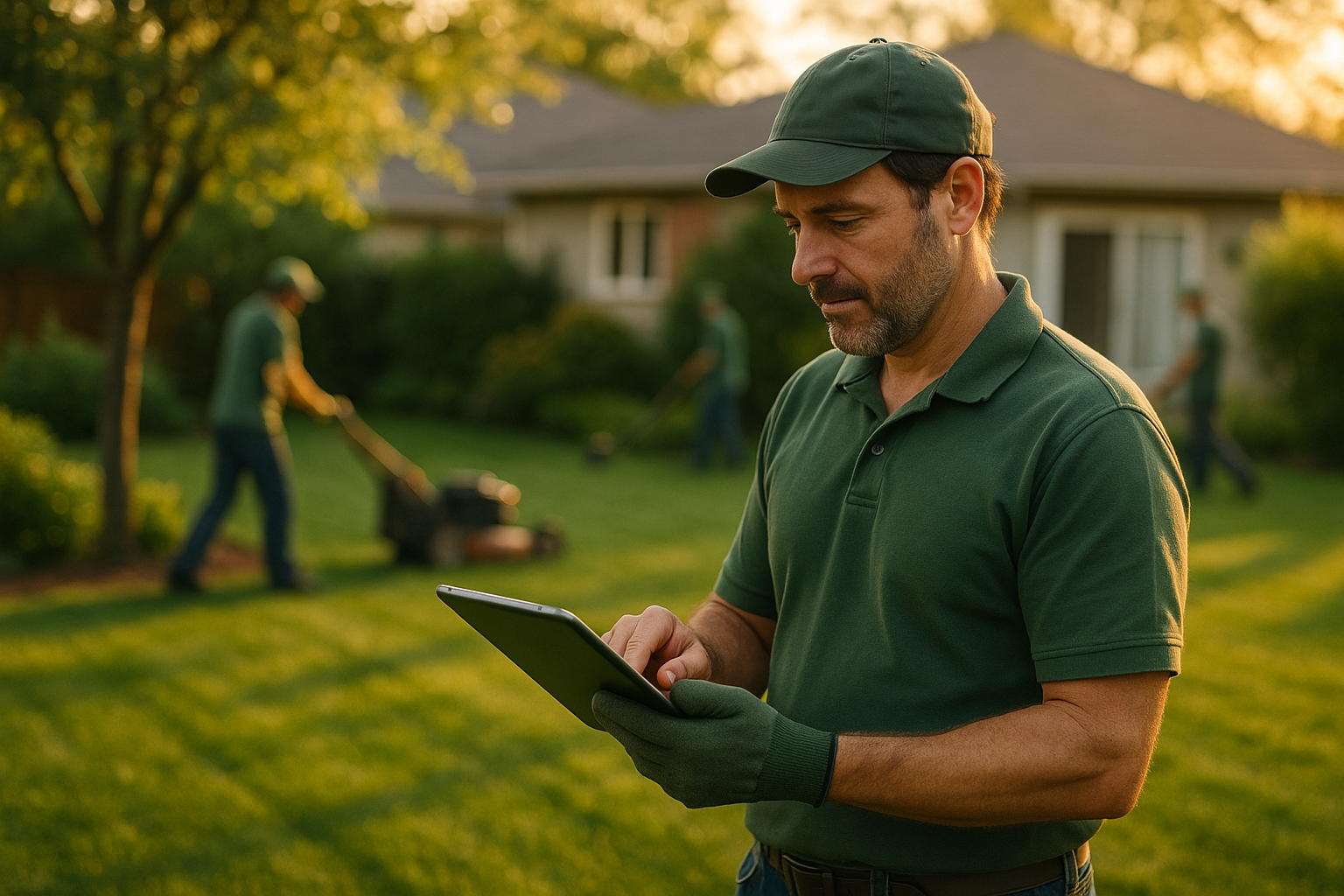
Overflow call handling during business hours is just as valuable. When the whole crew is on job sites and the main line rings, the AI picks up. When the office is at lunch or someone called in sick, the AI picks up. When a big project has everyone in the field for two days straight, the AI picks up. Every call that would have rolled to voicemail gets answered, qualified, and converted into a booked job or a qualified lead.
Do the math for your own operation. If your average service call runs $400 to $700, and even three missed calls a week would have converted to booked jobs, that is $5,000 to $9,000 a month in lost revenue. For a contractor running five trucks, the annual leak can hit six figures. This is not speculative demand. These are real calls, from real customers, with real jobs. The only thing missing is the answer.
What Makes AI Answering Different from AI Chatbots
AI chatbots live on your website and handle text-based conversations. They are useful for answering FAQs, qualifying web leads, and pointing visitors toward a contact form. But they do not answer your phone. When a homeowner with a flooded basement grabs their phone and calls the first plumber on Google, they are not typing into a chatbot. They are dialing a number and expecting a human voice to pick up. If they get voicemail, they hang up and dial the next result.
AI answering solves that by answering the actual phone call with a natural voice. It holds the same conversation a receptionist would, except it runs 24/7 and integrates directly with your dispatch board. The chatbot is a lead qualification tool for your website. The AI answering service is your front desk. They solve different problems. Most local service businesses need the front desk more than they need the chatbot, because the phone is where the highest-intent leads come in — and where the most revenue leaks out.
How Rise Desk Works for Local Service Businesses
Rise Desk is an AI answering system built specifically for trade contractors and local service businesses running 3 to 15 trucks. It runs on your existing phone number — no porting, no forwarding, no new line to print on the trucks. It answers every call with a natural voice, qualifies the job, checks service area, and books appointments directly into your calendar. Emergency calls get escalated to your on-call tech with all the intake details attached. Routine service requests get scheduled into the next available slot. Out-of-area calls and price shoppers get handled appropriately without wasting your time.
The system integrates with the CRM and scheduling platforms contractors already use: ServiceTitan, Housecall Pro, Jobber, and others. A booked job lands on your dispatch board automatically. Qualified leads flow into your pipeline. Your team sees the same information they would if the call came in during business hours, except now the call actually got answered instead of ringing out.
Setup takes one to two weeks: a walkthrough of your call flow, a review of your services and service area, test calls to confirm tone and intake, and a soft launch where the system handles overflow and after-hours before taking over primary line duty. Once it is live, you do not have to babysit it. The only regular touchpoint is a weekly review of booked jobs and any calls that flagged for a human listen.
Pricing, ROI, and the Demo Line
Rise Desk costs $249/month for the first 10 Michigan founding shops, or $497/month at the standard rate. Both subscriptions include 500 AI answering minutes per billing month. Additional minutes are $0.50 each, invoiced monthly. Unused minutes do not roll over. The founding rate lock applies to the base subscription; additional usage and agreed expanded services are separate. Cancellation requires 30 days written notice. Call the live demo at (517) 991-2563 to hear how Rise Desk handles a service inquiry. Software connections and direct booking are configured separately during onboarding.
The payback is fast. If the system captures two or three jobs a month that would have otherwise been lost to missed calls, it pays for itself several times over. Most contractors running three or more trucks see ROI within the first billing cycle, because the missed call leak was already costing them far more than the fix.
You can test it right now with the live demo number: (517) 991-2563. Call it and see how it handles intake, urgency triage, and scheduling. Ask it to book a service call. Throw an emergency scenario at it. That is the same experience your customers will get when the system is live on your line.
The Bottom Line
AI answering for local businesses is not about replacing your team. It is about making sure every call gets answered, every lead gets captured, and every emergency gets triaged — whether your crew is in the field, at lunch, or off the clock. For trade contractors and service businesses, the phone is the front door. Every missed call is revenue walking out. AI answering closes that door and turns every inbound call into a booked job or a qualified lead.
Rise Desk is built for this: 3- to 15-truck trade shops that need phone overflow and after-hours coverage without hiring or porting their number. You keep your number, you integrate with your existing tools, and you start capturing the jobs you have been losing. If the missed call leak is costing you more than $249 a month — and for most contractors it is — this is the fix. Call the demo line at (517) 991-2563 and hear it for yourself.
Continue Reading
- After-Hours Answering Service for Contractors: Phone Overflow That Never Misses a Job
- AI Answering Service for Contractors: Keep Your Number, No Porting Required
- AI Phone Answering for Small Business Owners: Front Desk Overflow That Never Misses a Call
- Missed Call Recovery for Contractors: Capture Phone Leads While You're on a Job